How to Inspect agricultural machine spacers Before Assembly
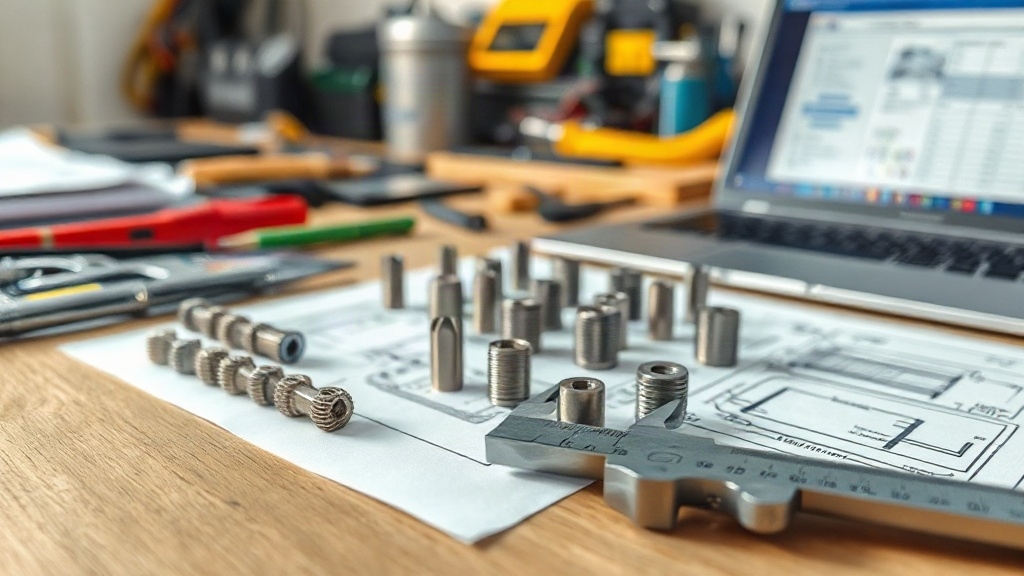
How to Inspect agricultural machine spacers Before Assembly
A drawing can make agricultural machine spacers look simple. The real job is often more subtle. The part helps with steady joint spacing. It may also face heat, load, wear, or repeated use. Each of these facts can change how a shop should make and check it.
For this job, the key decision is to set checks around the key use of the part. The team also needs to know what could go wrong. A common risk is using one tool for every feature. A simple review can turn that risk into clear checks, dates, and action.
If the job calls for custom CNC work, a good shop review can help. Learning about precision machined components can give buyers a starting point. Still, each drawing should be checked on its own terms.
Brief Overview
- Start with the part's role in farm equipment hinge points.
- Check the drawing note for length and bore clearance.
- Review steel for load, wear, and fluid use.
- Plan length and bore checks before the first full lot.
- Aim for fewer fit problems at build time with clear supplier records.
Which Features Need the Most Care for agricultural machine spacers
Start with the job of agricultural machine spacers in farm equipment hinge points. The main task is to support steady joint spacing. Put the most time into checks tied to length and bore clearance. The risk of a poor fit gives the team a reason to check the design early. A small size change can lead to loose joints after field use. A useful first step is to pick gauges that suit each size. Those facts help set limits that serve a real need. For this topic, the goal is to catch size and finish issues early. Think of the part as one step in a larger machine. The most useful question is often simple. What must this part touch? A good limit helps the worker, not just the drawing.
Before cutting metal, review how the part will be fitted. Ask where a worker will hold it during the build. Give every critical size a clear method and gauge. Review the real task instead of adding limits by habit. One clear sketch can prevent several rounds of email. The key decision is to set checks around the key use of the part. The plan should cover length and bore clearance and the mating part. If a limit affects safety, mark it as a key check. One test fit can settle a long debate about size. Small edge cuts can make a big change at assembly. Ask how the part comes off the machine.
Material and CNC Process Choices for agricultural machine spacers
Material choice starts with the work site, not just the price. For agricultural machine spacers, one possible stock choice is steel. The chosen stock can affect how a part is held for a check. The process may involve bar turning and drilling. A simpler shape may reduce setups and scrap. Share the use of the part before asking for a quote. Plan the order of work so key faces stay true. Never treat the quoted metal name as a full grade note. A clear process path is easier to repeat. Good clamping keeps the part safe during a cut. Talk about stock size before a new tool is made.
Good machining starts with a part plan that both sides can read. Use one drawing version for the quote and the first sample. Machining marks may change where a gauge can touch. Make the inspection method part of the process plan. For a wider view of sourcing, explore machining parts manufacturers and compare the shop's skills with the drawing. Discuss the risk of loose joints after field use during the design review. An extra setup may be worth it for a vital face. Look for a clear answer rather than a vague promise. A sample can show whether the tool path is sound. Keep the final use in mind when reviewing a tool path. Watch for sharp edges near a moving seal. A change in cut order may improve the fit.
Inspection and Fit Checks for agricultural machine spacers
Quality checks should follow the way the part works. For this part, useful checks machining parts manufacturers include length and bore checks. Use length and bore checks to set a useful first part report. Check the tool and gauge before measuring a new lot. Record the actual readings for critical features. Use the same check terms in the shop and the report. Pass or fail marks alone may hide a slow drift. Use a clear method so two people get close results. Keep the gauge clean and in sound order. Measure at the right point, not just the easy point. Some features need more checks than others.
First samples show more than the final size. They can reveal burrs, tool marks, and hard assembly steps. A trend in readings can warn of tool wear before rejects rise. A good check plan catches trouble before pack and ship. Ask for first part and batch inspection notes when the order risk calls for it. Set review points before the size reaches its limit. Write down what changed and what was checked again. Track results over more than one setup or shift. Hold doubtful pieces until a review is complete. Compare the first and last pieces in a run.
How to Plan Orders and Repeat Supply
A clean quote needs more than a part number. Send the drawing, grade, yearly need, and lot size. Agree on the check rate before the order starts. Tools, checks, and packing all add time to the order. Be clear about who will pay for test parts or special gauges. Price matters, but so do fit and steady supply. Do not assume that all stock grades are easy to source. Compare quotes on the same work and the same terms. Ask for a fair view of setup and tool costs. Set a date when the team will review the quote. Keep a single place for all open questions.
Once a sample passes, keep the accepted plan easy to find. Save the drawing version, material note, and check plan. Keep results so the next lot can be compared with the last. Make sure the pack method protects length and bore clearance. Keep the next order linked to the right drawing revision. Ask for reports that help staff act, not just add pages. These habits make it easier to catch size and finish issues early. A new stock lot can act in a slightly different way. Talk early if demand starts to change. Good labels can prevent mix-ups at the next station. Keep a clear record of each approved change.
Frequently Asked Questions
What matters most when buying agricultural machine spacers?
Start with the job and the mating fit. Then review the stock grade, drawing, and check plan. Ask the shop how it will hold the part and prove the main sizes. A price is useful only when the work scope is clear.
Which material is best for agricultural machine spacers?
There is no one grade for every job. Steel may suit some uses, but load, heat, fluid, and wear all matter. Name the work site and ask for a grade review. Keep the agreed grade in the order.
How should a shop inspect agricultural machine spacers?
Use checks that match the drawing and the real risk. For this job, length and bore checks can be useful. Some features may need extra steps. Ask for first part results and a clear plan for each later lot.
What can cause trouble during assembly of agricultural machine spacers?
A common risk is loose joints after field use. Burrs, mixed parts, or the wrong drawing can add to it. Try the first samples with the mating parts. Record the result and make changes before the main order.
How can buyers keep repeat orders of agricultural machine spacers stable?
Keep the same drawing revision, approved metal grade, and key check plan. Ask the shop to log any tool or process change. Save the sample notes. These steps help new lots match the fit of the first good batch.
Summarizing
Agricultural machine spacers need more than an accurate cut. They need a clear job, a usable drawing, sound stock, and checks that suit the fit. The key choice is to set checks around the key use of the part. That helps the team deal with loose joints after field use before it becomes a costly field issue. Keep the steps simple enough for everyone to follow.
Begin with the use in farm equipment hinge points, then mark the features that matter. Ask for a sample and proof based on length and bore checks. Share changes early, and keep the same records for repeat lots. With that plan, the team has a better path to fewer fit problems at build time.